
If a patient comes to me struggling with weight, mood, blood pressure, or energy — one of the first things I ask is: how are you sleeping? The answer is almost always the same. Not well enough, and not for long enough.
Sleep isn't passive. While you're unconscious, your brain is consolidating memories, your immune system is regenerating, your hormones are resetting, and your cardiovascular system is recovering. Shortchange this process night after night, and the downstream effects are profound — and well-documented.
This article is my clinical take on why sleep matters more than almost any other health behaviour, what poor sleep actually does to your body, and — crucially — what the evidence says about fixing it.
What Happens to Your Body When You Don't Sleep Enough
Cardiovascular disease
Sleeping less than 6 hours per night is associated with a 20% increased risk of heart attack and a 15% increased risk of stroke, according to a major meta-analysis in the European Heart Journal. The mechanism is clear — poor sleep raises blood pressure, increases inflammatory markers, and dysregulates cortisol.
Type 2 diabetes & insulin resistance
Even a single week of sleeping 5–6 hours causes measurable insulin resistance in otherwise healthy adults. Chronic sleep deprivation profoundly disrupts glucose metabolism — which is why I often see HbA1c levels improve when we address sleep in patients with pre-diabetes, before any dietary change.
Weight gain & obesity
Sleep deprivation increases ghrelin (hunger hormone) and decreases leptin (satiety hormone). The result: you eat more, feel less full, and crave high-calorie foods. Studies show sleep-deprived individuals consume an average of 385 extra calories per day. If you're struggling with weight and not addressing sleep, you're fighting with one hand tied behind your back.
Mental health
The relationship between poor sleep and depression, anxiety, and burnout is bidirectional — each makes the other worse. But crucially, sleep is often the more tractable intervention. I've seen significant improvements in anxiety symptoms from sleep improvement alone, before any medication or talking therapy.
Immune function
People sleeping less than 7 hours are nearly 3 times more likely to develop a cold when exposed to the rhinovirus, according to research from Carnegie Mellon University. Sleep is when your immune system consolidates its defences. This matters not just for colds — it has implications for vaccine response, cancer surveillance, and infection recovery.
How Much Sleep Do You Actually Need?
The evidence is clear: most adults need 7–9 hours of sleep per night. Not 6. Not "I function fine on 5." The idea that you can train yourself to need less sleep is one of the most persistent and damaging myths in health culture.
Research from the University of Pennsylvania showed that people sleeping 6 hours a night for two weeks showed the same cognitive impairment as someone who had been awake for 24 hours straight — but crucially, they didn't feel impaired. The brain adapts to chronic sleep deprivation by losing the ability to accurately self-assess its own deficit.
💡 GP rule of thumb: If you need an alarm clock to wake up, you're probably not getting enough sleep. If you fall asleep within 5 minutes of lying down, you're likely chronically sleep-deprived. Healthy sleep onset takes 10–20 minutes.
6 Evidence-Based Strategies to Improve Your Sleep
Fix your wake time first — not your bedtime
Most people try to fix sleep by going to bed earlier. This rarely works. Instead, fix a consistent wake time and stick to it every day — including weekends. Your circadian rhythm anchors to your wake time. Once that's consistent, your sleep drive (the pressure to sleep that builds throughout the day) will align your bedtime naturally within 2–3 weeks.
Pick a wake time you can sustain 7 days a week. Set it. Keep it for 3 weeks regardless of what time you fell asleep. This single change is the foundation of everything else.
Light exposure — your most powerful circadian tool
Light is the primary signal your brain uses to set its internal clock. Getting bright natural light within 30–60 minutes of waking — even on a cloudy day — suppresses residual melatonin and anchors your circadian rhythm powerfully. Conversely, bright light (especially blue-spectrum screen light) in the 90 minutes before bed delays melatonin onset and pushes your sleep window later.
Morning: get outside within an hour of waking, even for 10 minutes. Evening: dim your environment from 9pm. Blue-light glasses help but are second-best to simply reducing screen brightness.
Temperature: cooler than you think
Your core body temperature needs to drop by approximately 1–2°C to initiate and maintain deep sleep. Most bedrooms in the UK are too warm for optimal sleep — particularly in summer. The ideal sleep environment temperature is 16–18°C. A warm bath or shower 1–2 hours before bed paradoxically helps: it draws blood to the skin surface, accelerating the core temperature drop when you get out.
If you wake repeatedly in the night, temperature dysregulation is one of the most common and overlooked causes. Try dropping your bedroom temperature before any other intervention.
Caffeine has a longer half-life than you think
Caffeine has a half-life of approximately 5–7 hours in most adults — meaning half the caffeine from a 3pm coffee is still active at 9–10pm. For slow caffeine metabolisers (a genetic variation affecting roughly 50% of the population), this extends further. The general rule I give patients: no caffeine after 1–2pm if you're struggling with sleep. This alone resolves sleep onset problems in a significant proportion of my patients.
Decaf still contains 15–30mg of caffeine per cup. If you're sensitive, switch to herbal tea from mid-afternoon.
Cognitive Behavioural Therapy for Insomnia (CBT-i) — the gold standard
If you have chronic insomnia (difficulty sleeping 3+ nights per week for 3+ months), the evidence is unambiguous: CBT-i is more effective than sleeping pills in the long term, with no side effects and no dependency. It addresses the cognitive patterns and behaviours that perpetuate insomnia, rather than masking symptoms. NHS access to CBT-i is limited, but digital programmes have made it widely available.
Digital CBT-i programmes with strong clinical trial evidence are available on the NHS in some areas and privately elsewhere — they're the first thing I'd recommend for anyone with chronic insomnia.
Track your sleep — but wisely
Sleep tracking can be genuinely useful for identifying patterns — whether your sleep quality correlates with alcohol, exercise timing, stress, or room temperature. However, it can also create 'orthosomnia' — anxiety about sleep metrics that paradoxically worsens sleep. Use tracking as data, not as a performance target. A readiness score should inform your day, not define your worth.
Consumer sleep trackers vary widely in accuracy. Look for one with published validation data, and treat what it shows as a trend to discuss with your GP rather than a precise measurement.
When to See Your GP About Sleep
Self-help strategies work well for most sleep difficulties. But there are times when a clinical assessment is important. See your GP if:
- You snore loudly, gasp during sleep, or your partner notices you stop breathing — this may indicate obstructive sleep apnoea
- You have excessive daytime sleepiness despite adequate time in bed
- You have restless legs or unpleasant sensations that disrupt sleep
- Your insomnia is accompanied by significant low mood, anxiety, or thoughts of self-harm
- Self-help strategies haven't helped after 4–6 weeks of consistent effort
Sleep is not a luxury. It is not laziness. It is the most fundamental act of biological maintenance your body performs. In a culture that celebrates busyness and treats rest as weakness, this needs to be said clearly and repeatedly.
If you take one thing from this article: protect your sleep the way you protect your diet and your exercise. It will pay dividends across every other aspect of your health.
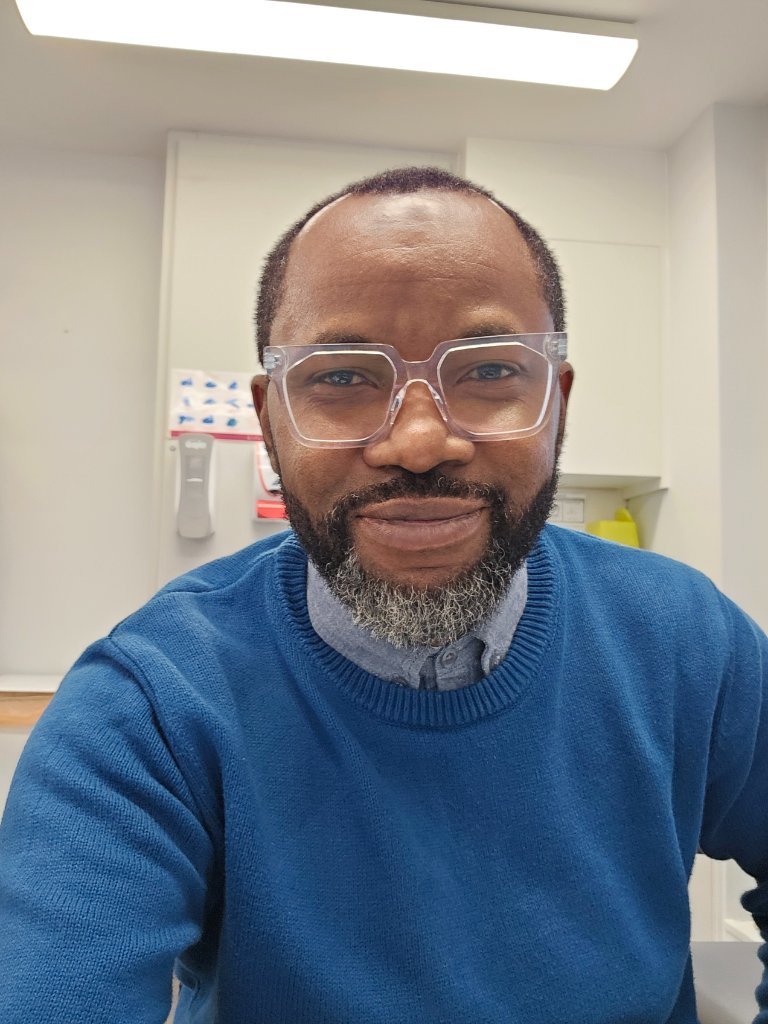
Dr. Ohioma Akhibi
GP · GP Trainer · GP Specialist Advisor CQC
Dr. Akhibi is a practising NHS GP with over 15 years of clinical experience. He specialises in long-term condition management and founded MyVirtualMedic to provide trusted, evidence-based health guidance.
Get GP-Approved Health Insights Every Week
Join thousands of readers getting clinically reviewed health advice directly from a practising GP. No spam — ever.
No spam. Unsubscribe anytime.